
You walk into your living room and feel the walls look plain, maybe even a bit tired. You want a quick change that looks stylish, feels modern, and does not cost much. That is where this DIY PVC wall panel Installation guide for beginners comes in handy.
PVC wall panels are light, waterproof, and easy to clean. You can install them yourself in a few simple steps with just basic tools. In this guide, we’ll show you how to prepare your wall, measure, cut, and stick the panels like a pro.
You will also learn common mistakes to avoid, easy tricks for beginners, and how to keep your panels looking fresh for years.
By the end, you will see that giving your home a makeover is not only possible but fun too.
Why Choose PVC Wall Panels
PVC wall panels are perfect for beginners. They are affordable, waterproof, and easy to cut. Unlike tiles, you don’t need grout or professional skills. You can stick them on in a day and transform your room.
- Waterproof and mould-resistant
- Easy to clean with a damp cloth
- Much cheaper than tiles or paint
- Available in wood, marble, glossy, and 3D looks.
Tools and Materials You Will Need to Install PVC Wall Panels
Before starting, gather all the tools so you don’t get stuck halfway. Most of these you may already have at home.
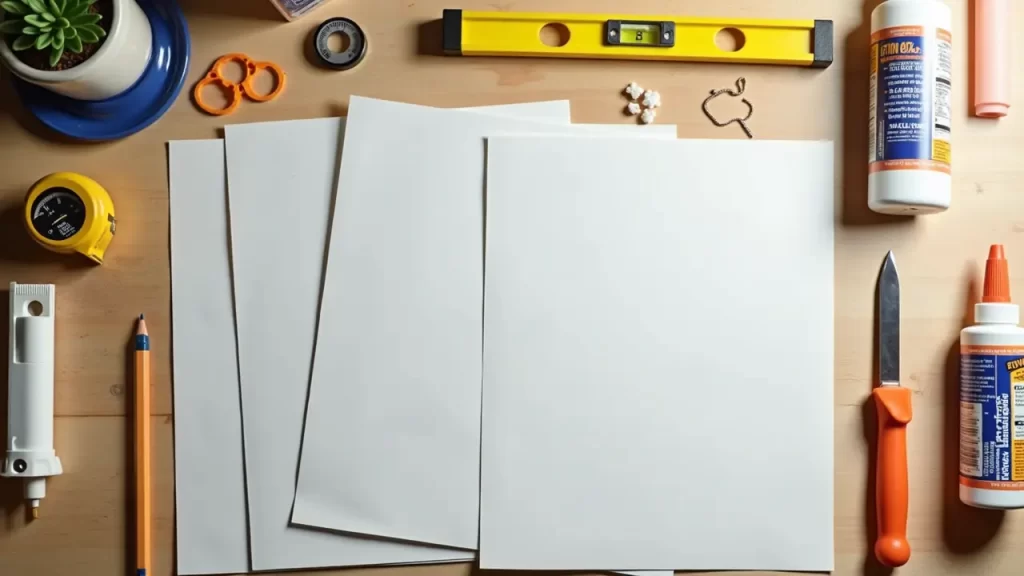
- PVC wall panels (buy 10% extra for errors)
- Measuring tape and pencil
- Spirit level for straight lines
- Masking tape
- Utility knife or small hand saw
- Adhesive glue (PU or PVC glue)
- Notched trowel (optional for spreading adhesive)
- Drill and screws (for extra security on ceilings)
- Silicone sealant (for wet areas like the bathroom or kitchen)
- Safety gear: gloves and goggles.
Here is the DIY PVC Wall Panels Installation Guide For Beginners
If you want to give your walls a fresh, stylish, and waterproof look without spending much, PVC wall panels are a great choice. They are light, durable, and very easy to install.
Even if you have never done DIY before, you can still handle this project with a little care and the right steps.
Step 1: Prepare the Wall Surface
Before you even touch the panels, make sure the wall is ready. A clean and smooth wall always gives the best results. Here, first, you should wipe off any dust, grease, or peeling paint with a damp cloth.
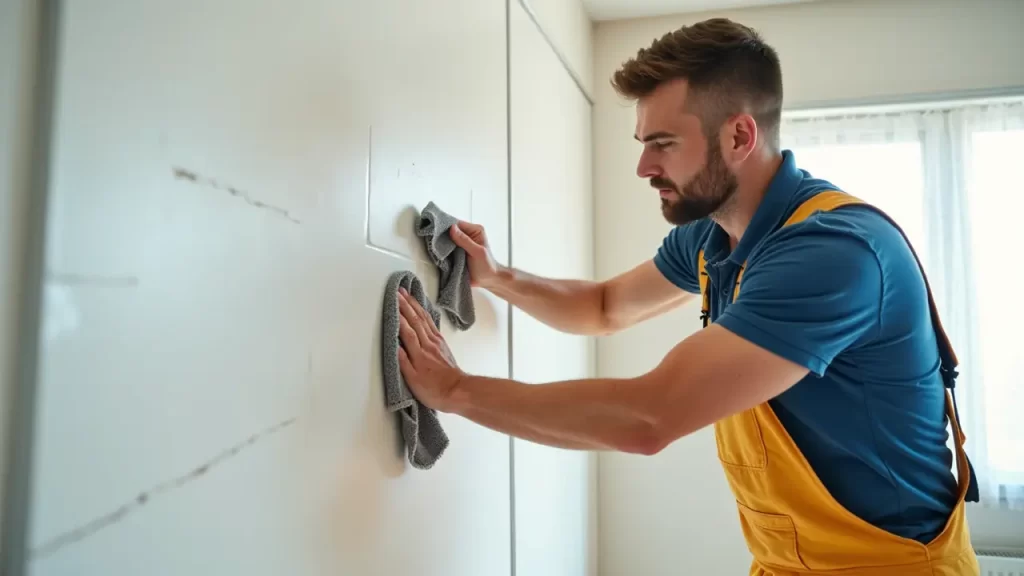
If you see cracks or damp spots, repair them first so they don’t cause problems later. The surface should feel even, so sand it lightly or skim coat if needed.
For bathrooms or kitchens, always check that the wall has proper waterproofing before you start sticking the panels.
Step 2: Measure and Cut Panels
Measuring right saves you from a lot of stress during installation. First, measure the height and width of the wall carefully. Mark the cut lines on your panel using masking tape so the edges don’t chip.
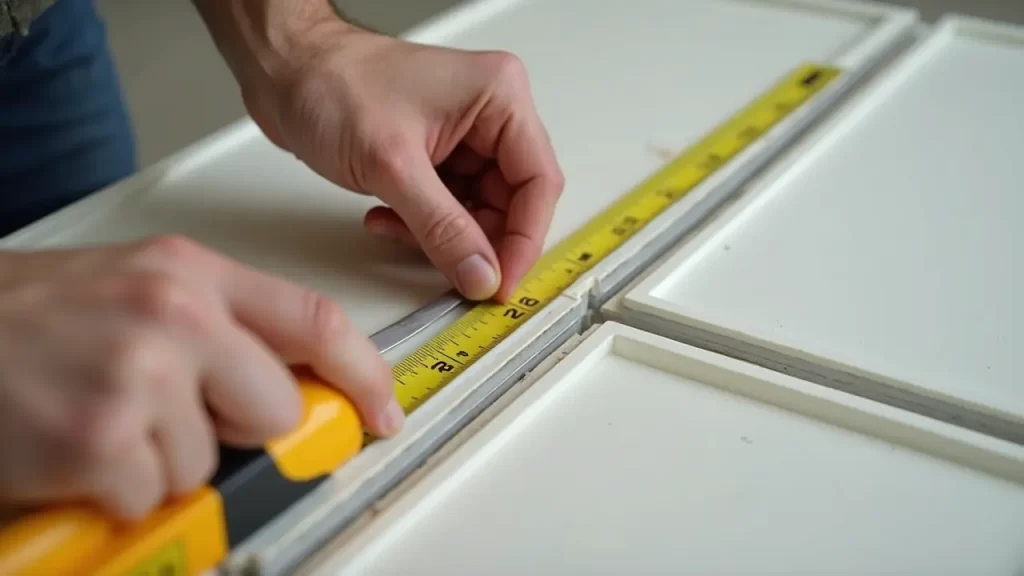
Use a utility knife to score the surface and then cut with a saw for a clean finish. When you reach tricky spots like sockets or switches, take your time, mark clearly, and cut slowly to get a neat fit.
Step 3: Apply Adhesive
The adhesive is what holds your panels in place, so applying it properly is very important. Always use glue that is made for PVC panels. Squeeze the glue in a zigzag or crisscross pattern on the back of the panel.
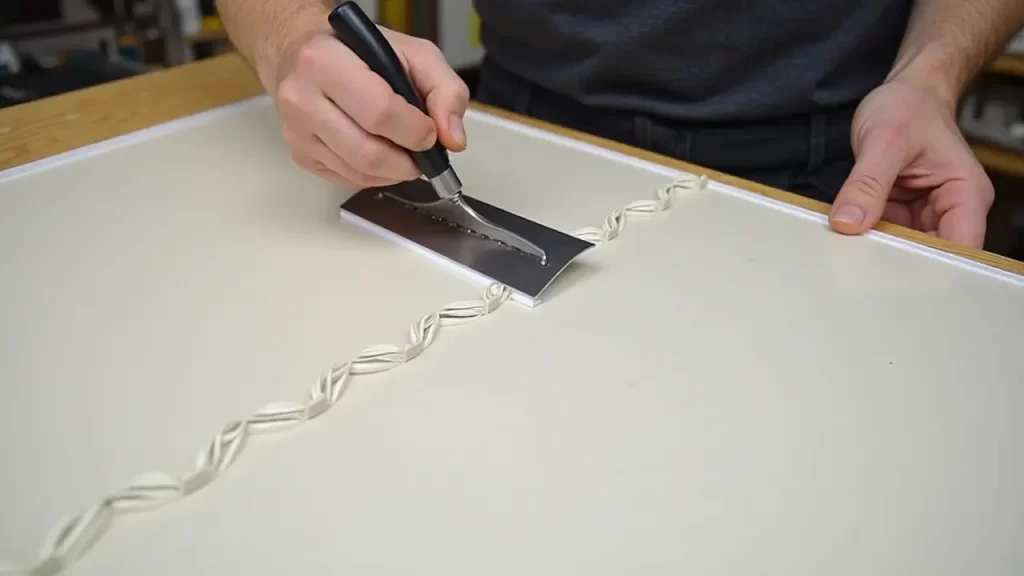
For a stronger grip, spread the adhesive evenly with a notched trowel. Don’t overdo it because too much glue can spill out and make a mess.
Step 4: Position and Stick the Panels
This is the part where your wall starts to change. Begin from one corner or edge so the panels line up neatly. Place the first panel on the wall, press it firmly, and smooth out any air bubbles with your hand or a roller.
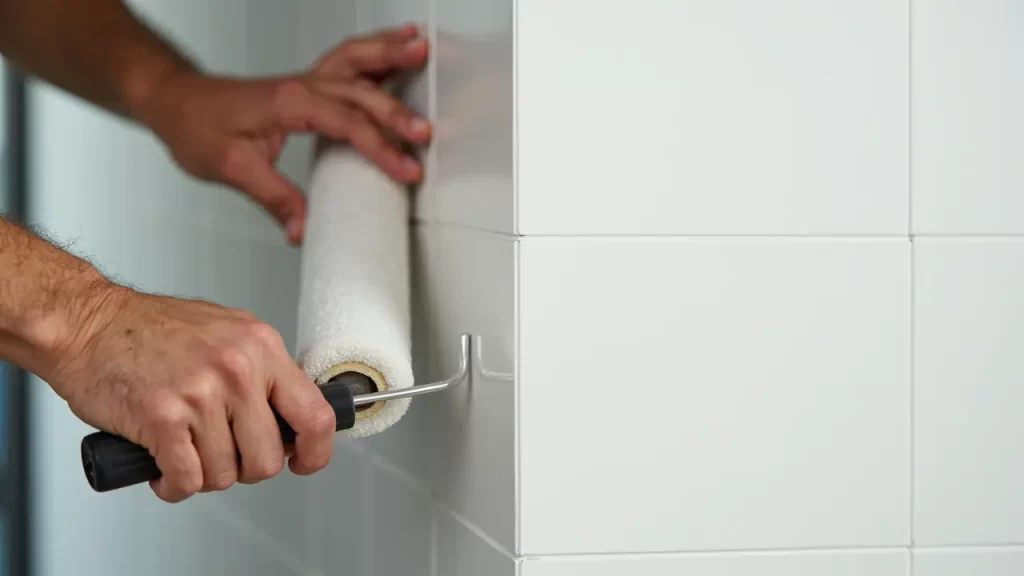
Hold it in place for about 10 to 15 seconds to let the glue grip. After that, keep adding the panels one by one, locking the grooves together if your panels have them, until you cover the whole wall.
Step 5: Secure and Finish
Once all the panels are up, it’s time to finish the job neatly. If you are working on a ceiling or an uneven wall, you can add a few screws at the edges for extra support.
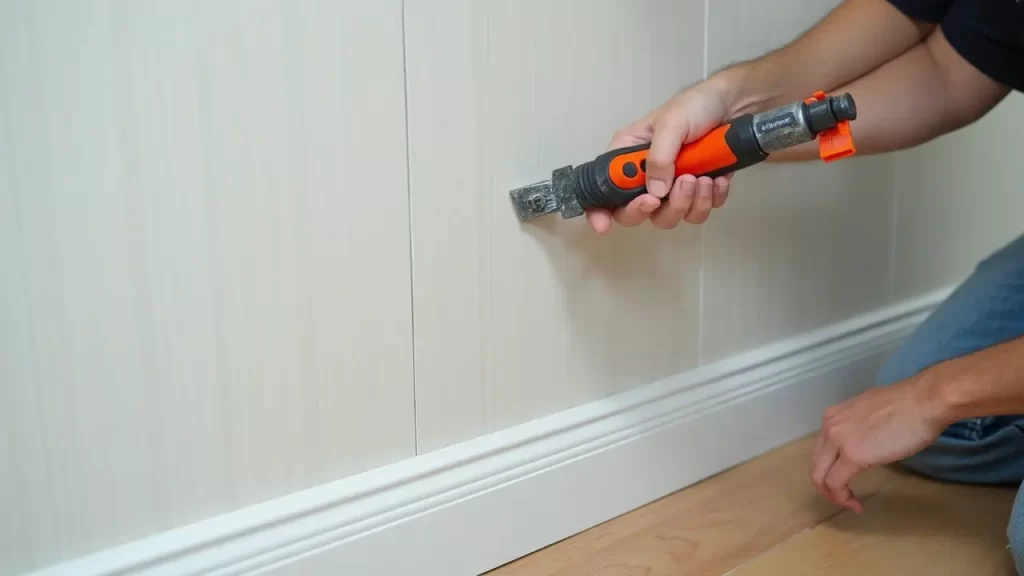
In wet areas like bathrooms, seal the corners and edges with silicone so no water gets behind. Adding trims around the edges will make the wall look polished and professional.
Finally, wipe away any fingerprints, dust, or glue marks right away so the panels look clean and fresh.
Eco-Friendly Tips for PVC Wall Panels
PVC is durable but not the most eco-friendly material.
Here are some green tips:
- Choose recyclable PVC panels where possible
- Buy only what you need, plus 10% extra for errors
- Use low-VOC adhesive for healthier indoor air
- Save off-cuts for smaller areas instead of throwing them away.
Common Mistakes to Avoid While Installing PVC Wall Panels
A few mistakes can spoil the whole project. Here’s what beginners should avoid:
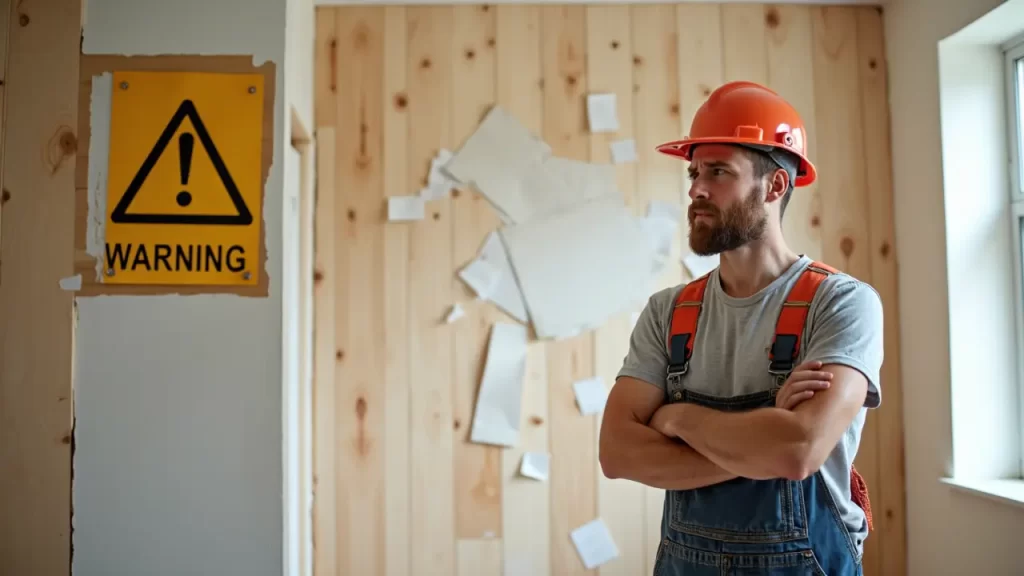
- Do not stick panels on a damp or dirty wall
- Do not rush measuring or cutting cause wrong cuts basically waste panels
- Do not overuse glue. It can ooze out and look messy
- Do not ignore sealing edges in bathrooms. Water will get behind
- Do not use abrasive cleaners after installation. They scratch the surface.
Easy Tricks for Beginners As Per DIY PVC Wall Panels Installation
These small tricks will make your DIY job faster and smoother:
Start at the Bottom and Move Upwards
It’s always easier if you begin fixing panels from the bottom and go up step by step. Gravity does half the work for you because the lower panels support the next ones. This way, your panels stay steady and line up properly without slipping down.
Use a Spirit Level Often to Stay Straight
Keep checking with a spirit level as you fix each panel. Even a small tilt at the start can make the whole wall look uneven later. When you check often, you can adjust quickly and keep every line neat and straight.
Keep a Damp Cloth Nearby to Wipe the Glue Quickly
Glue can sometimes squeeze out at the edges when you press the panel. If you keep a damp cloth ready, you can clean it right away before it dries and makes a mess. This small step keeps your finish clean and smooth.
Work in Pairs – One Holds the Panel, One Applies Glue
If you have a friend or family member helping, the job gets much easier. One person can hold the panel in the right place while the other applies glue or presses it firmly. This saves time and avoids mistakes when working on large walls.
Take Breaks, Rushing Causes Wrong Cuts
DIY is fun, but don’t try to finish too fast. If you rush, you may cut panels wrong or stick them unevenly. Take short breaks to rest your hands and check your progress. Slow and steady work gives a better result in the end.
Where Can You Use PVC Wall Panels
PVC panels work almost anywhere in your home. Some smart spots:
- Living Room:Behind the TV for a modern feature wall
- Bedroom: One accent wall to add warmth
- Bathroom:Waterproof solution, no more peeling paint
- Kitchen: Behind sink or cooking area, easy to clean
- Balcony:Weather-resistant and stylish.
If you want more ideas for bedrooms, check out thebest wall panel designs for modern bedrooms for easy inspiration.
PVC Panels vs Other Wall Finishes
Here’s a quick comparison so you can decide:
| Feature | PVC Panels | Tiles | Paint | Wallpaper |
| Waterproof | Yes | Yes | No | No |
| DIY-Friendly | Very Easy | Hard | Medium | Medium |
| Cost | Affordable | Expensive | Cheap | Cheap to Medium |
| Cleaning | Wipe clean | Scrub grout | Repaint often | Can peel |
| Variety | High designs | Medium | Limited | Very high |
Maintenance and Care Needed for PVC Wall Panels
The good news is PVC wall panels need very little care.
- Wipe with a damp cloth and mild soap
- Avoid hard brushes or abrasive powders
- Ventilate rooms to prevent moisture buildup
- Fix loose edges immediately with a bit of glue.
Welcome to BricksBeam!
If you need easy and stylish ways to make your walls look amazing, you’re in the right place.
Decorative wall panels can add depth, texture, and personality to any room. You can choose warm wooden panels, sleek 3D designs, or even try DIY PVC panels for a simple, waterproof option.
Bedrooms, hallways, or plain open walls can all get a fresh new look with just a few panels.
Check out BricksBeam’s homepage for plenty of wall panel ideas to transform your space one wall at a time.
Wrapping Up
So, coming to the end, we can say that installing PVC wall panels is one of the easiest home projects you can try. With some patience and the right tools, you can do it yourself and make your walls look new. Even if you are new to DIY, this step-by-step guide will help, and that is why we called it the DIY PVC Wall Panels Installation Guide For Beginners.
You can use the panels in the living room, kitchen, bedroom, or even the bathroom. They look stylish, save money, and stay strong for many years. Take your time, enjoy the work, and soon you will see your walls change completely.
FAQs
Q.1: Can I install PVC wall panels myself?
Yes, you can install PVC wall panels on your own without stress. The panels are light and simple to cut, so you don’t need big tools or skills. If you follow the step-by-step guide carefully, you will not need to call a professional.
Q.2: Can I use PVC panels in the shower?
Yes, PVC panels work well in the shower because they are fully waterproof. You just need to seal the joints and edges properly with silicone to stop water from sneaking in. Once sealed, they give a clean and safe finish.
Q.3: How long do PVC panels last?
PVC panels are strong and don’t wear out quickly, so they can last around 15 to 20 years. They stay in good shape if you clean them gently and avoid sharp scratches. With simple care, they look fresh for a long time.
Q.4: Which is better, wallpaper or PVC panels?
Wallpaper is nice if you want colourful designs and patterns. But wallpaper gets damaged easily by water or damp walls. PVC panels are much stronger, waterproof, and last longer, so they are a better choice in wet areas.
Q.5: Are PVC panels safe indoors?
Yes, PVC panels are safe to use inside the house if you buy good-quality ones. Always pick panels that meet safety standards and use a low-VOC adhesive for fixing. This way, they stay safe and healthy in your home.