


Have you ever looked at your walls and felt they look too plain? It happens a lot. The truth is, walls without character can make a room feel flat. That’s why people go for wall texture patterns that add instant depth. They bring life, they create shadows, and they change how a space feels in just minutes.
Wall texture patterns give surfaces a layered look that catches light and hides flaws. They make a room feel more stylish, warm, and interesting without needing extra décor. In this guide, we’ll explore 20 texture ideas you can use right now.
Some are easy, some are bold, but each one has the power to turn a dull wall into a focal point. Let’s go step by step and see which style could be the right match for your room.
So, What are Those 20 Wall Texture Patterns That Add Instant Depth?
Here are 20 wall texture patterns that will instantly transform your space. Let’s go one by one.
1. Knockdown Texture
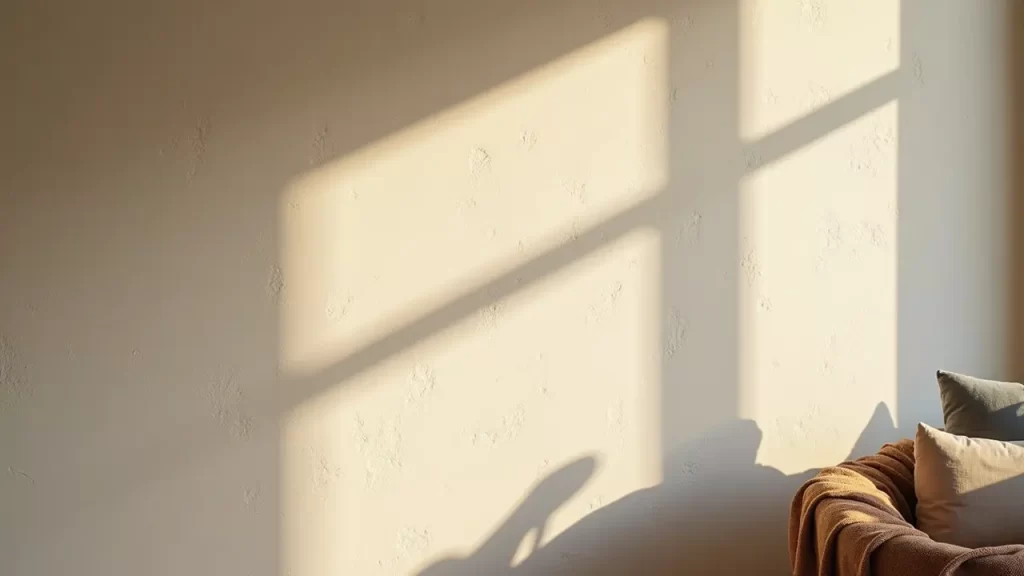
Knockdown is a classic. It looks a bit like stucco, but softer and smoother. It adds movement without overwhelming the space. Many people like it because it hides small cracks. Here’s how you can add this texture.
Spray a thin layer of plaster on the wall. Let it settle for a short while, then gently flatten with a trowel. It works best in living rooms, hallways, or anywhere you want a warm and inviting look.
2. Orange Peel Texture

This one looks just like the surface of an orange. Small bumps, light texture, very natural. It makes walls look neat and clean, but not too flat. This texture is perfect for bedrooms and hallways because it feels subtle yet modern. Here’s how you can add this texture. Use a spray gun with thinned drywall mud. Adjust the spray setting until you get tiny splatters.
3. Popcorn Texture
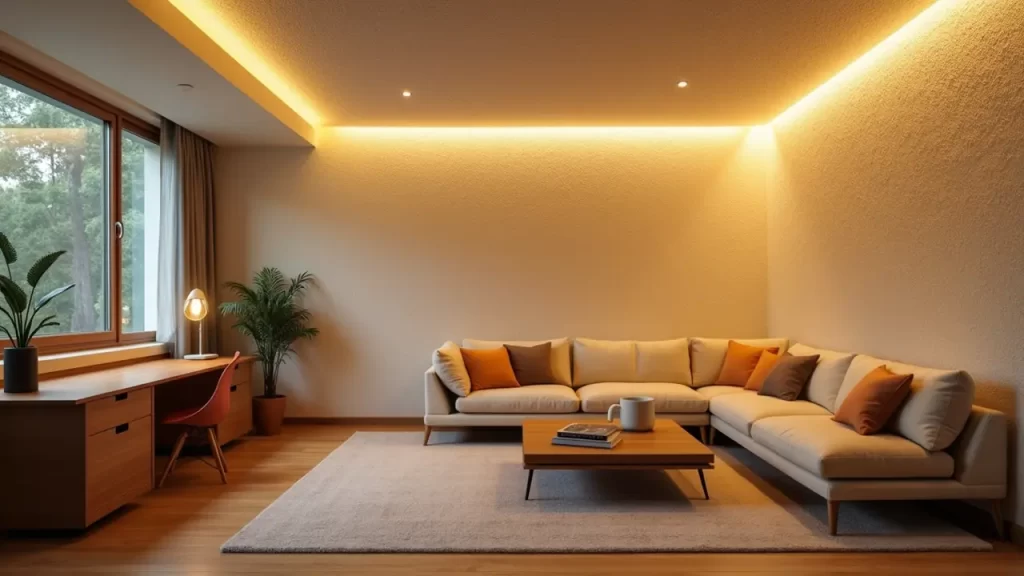
Popcorn is thicker and bolder than orange peel. It was once a favorite for ceilings, but now people also use it on accent walls for a retro vibe. Here’s how you can add this texture. Use a special popcorn sprayer and apply a thick texture layer. Best for ceilings, basements, or themed rooms where you want a unique statement.
4. Sand Swirl Texture
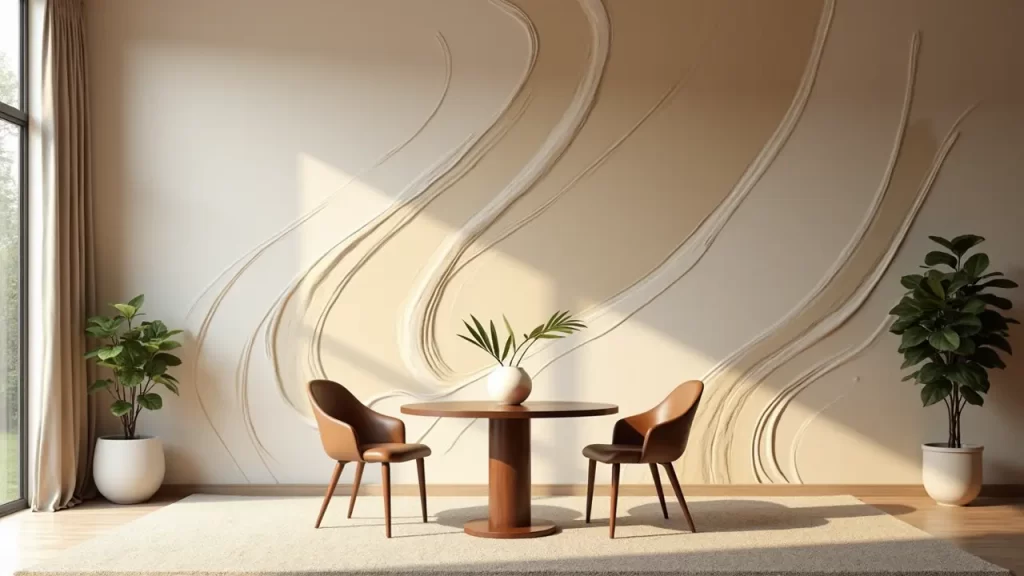
This wall texture design looks like swirling waves. It feels artistic and calming at the same time. The gentle curves add softness to the wall. Here’s how you can add this texture. Mix fine sand with primer or plaster. Use a wide brush to create overlapping swirl patterns. It looks lovely in dining rooms or large hallways where light can play with the curves.
If you like simple and clean looks, you can also check out some modern wall design ideas for minimalist interiors.
5. Slap Brush Texture
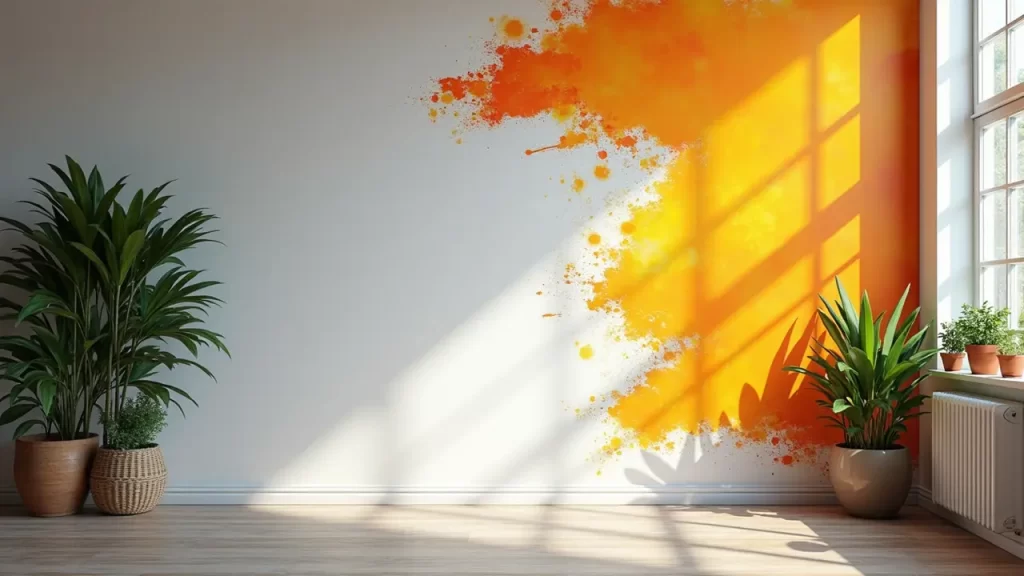
Slap brush creates ridges and strokes, which ultimately give your wall a strong character. It looks lively and adds texture you can actually see from a distance. Here’s how you can add this texture.
Dip a slap brush in drywall mud and press it against the wall at random angles. Repeat until the surface feels rich. This works well for feature walls or creative studio spaces.
6. Skip Trowel Texture
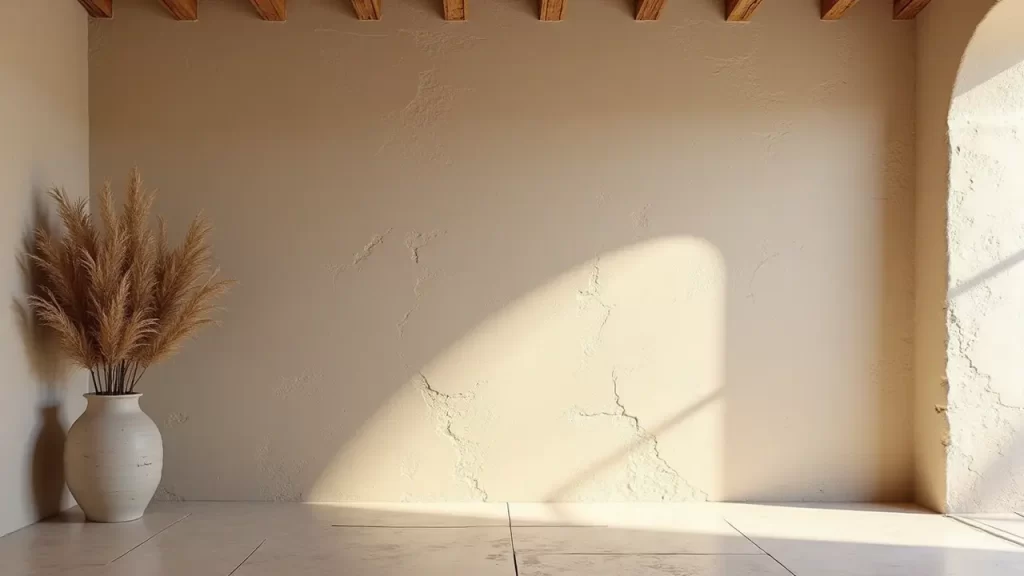
Skip trowel has an old-world feel. It looks hand-finished and elegant, almost like natural plaster. Not too heavy, just graceful. Here’s how you can add this texture. Use a curved trowel and lightly skim across the wall, leaving raised spots. It’s perfect for rustic homes, Mediterranean-style décor, or even cozy farmhouses.
7. Venetian Plaster

Venetian plaster is pure luxury. Smooth, shiny, and polished, it looks like marble without the cost. It adds elegance instantly. Here’s how you can add this texture. Apply thin layers of plaster using a steel trowel. Burnish or polish it until it shines. Best for living rooms, entryways, or anywhere you want a high-end feel.
8. Comb Texture

This one creates neat grooves that look like straight comb lines. It adds rhythm and structure to a plain wall. Here’s how you can add this texture. Use a toothed trowel and drag it through wet mud in straight or curved lines. Works great for modern interiors or walls where you want an eye-catching detail.
9. Lace Texture

Lace patterns look delicate and detailed. It’s like having lace fabric on the wall, adding softness and charm. Here’s how you can add this texture. Spray plaster in random spots, then lightly flatten. The result looks like lace stretched across the wall. Perfect for bedrooms, dining rooms, or even romantic spaces.
10. Tree Bark Texture

Tree bark texture looks exactly like the surface of real bark. It gives a natural, outdoorsy vibe. Here’s how you can add this texture. Roll a special bark-pattern roller over fresh plaster. It creates vertical ridges that look organic. This is great for rustic cabins, lodge-style homes, or nature-inspired accent walls.
11. Knockback Texture
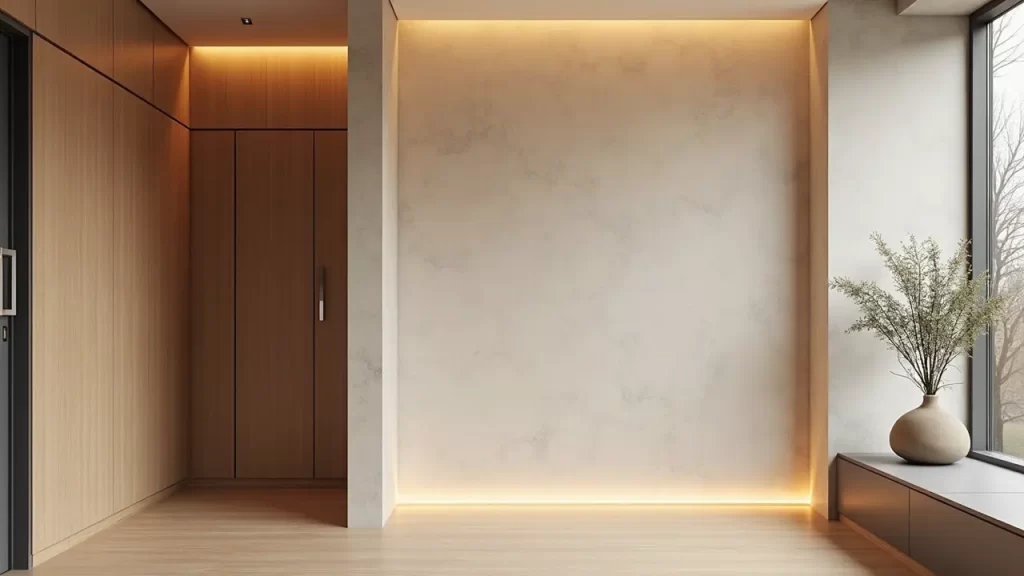
Knockback is a softer version of knockdown. It spreads the texture wider and makes the wall look warmer. Here’s how you can add this texture. Spray mud onto the wall. Wait a bit, then press it back gently. This finish feels subtle and works in almost any modern home.
12. Brushed Pattern Texture
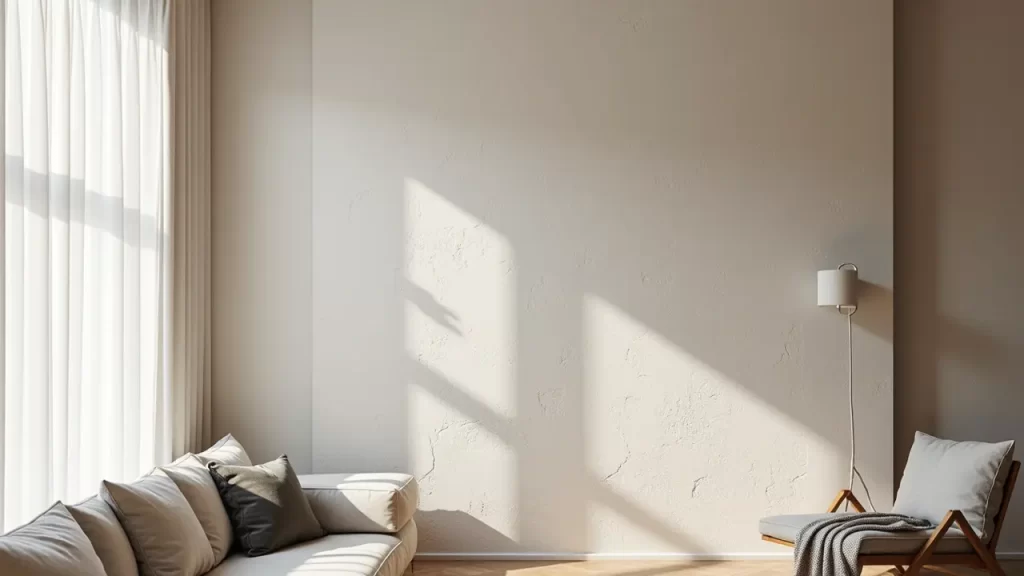
Brushed textures look soft and flowing, almost like moving water or fabric. Here’s how you can add this texture. Use a wide brush and sweep across the plaster in different directions. It creates a calm and stylish effect. Perfect for living rooms or quiet spaces where you want a relaxed feel.
13. Rosebud Texture
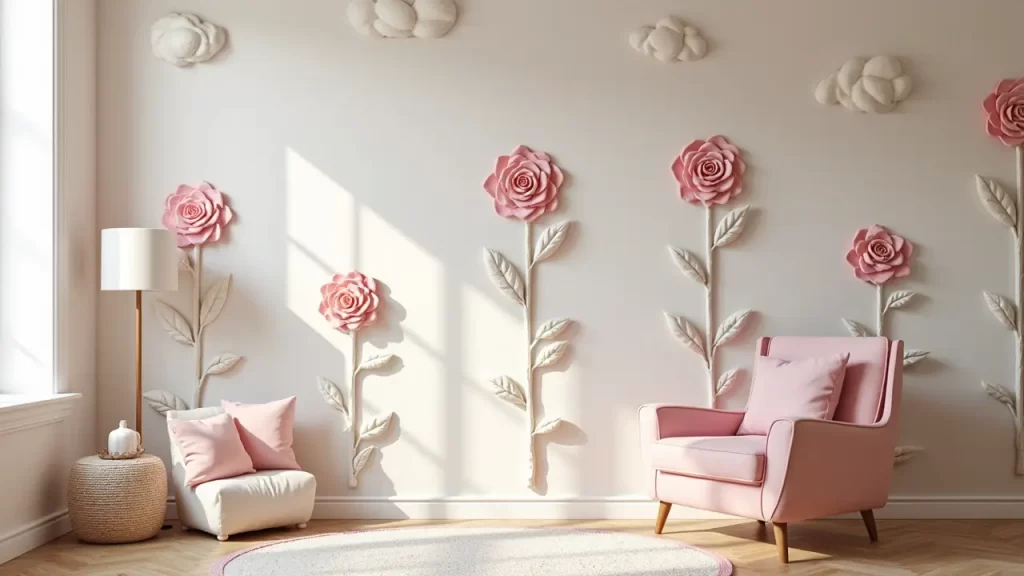
Rosebud texture looks like little flowers stamped into the wall. It feels playful and creative. Here’s how you can add this texture. Use a rosebud brush, dip it into plaster, and press onto the wall repeatedly. This works beautifully for children’s rooms, craft rooms, or any space where you want a fun detail.
14. Stipple Texture

Stipple has a spotted, uneven surface. It’s excellent for covering wall flaws and cracks. Here’s how you can add this texture. Use a stipple roller or brush on wet plaster. It leaves small raised dots across the surface. Perfect for old houses or ceilings with imperfections.
15. Crow’s Foot Texture
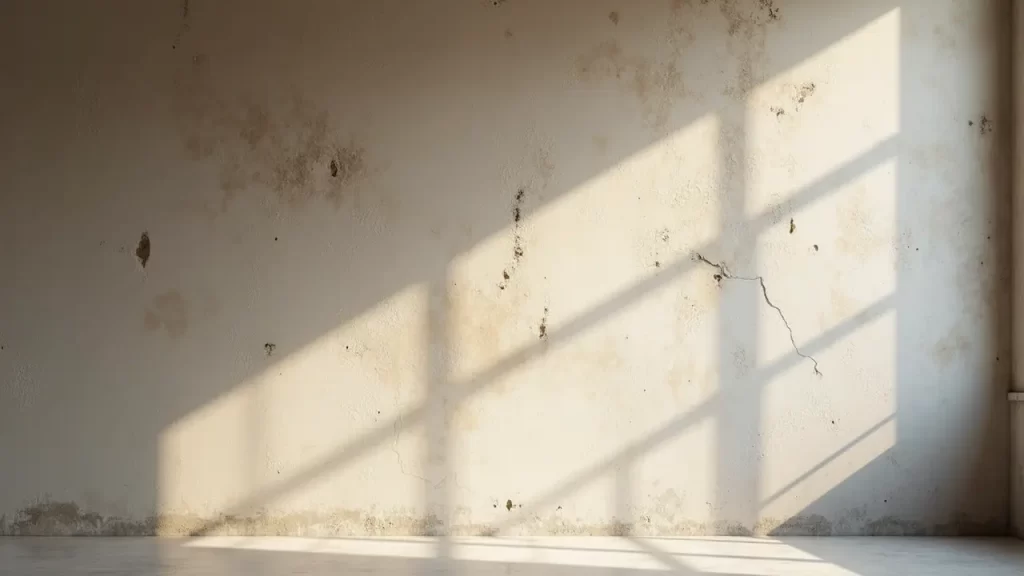
Crow’s foot looks dramatic, with spreading lines that look like bursts of feathers. Here’s how you can add this texture. Use a crow’s foot brush, press into the plaster, and twist slightly to make the pattern. It’s bold and often used on ceilings for visual drama.
16. Knockdown Lace Texture
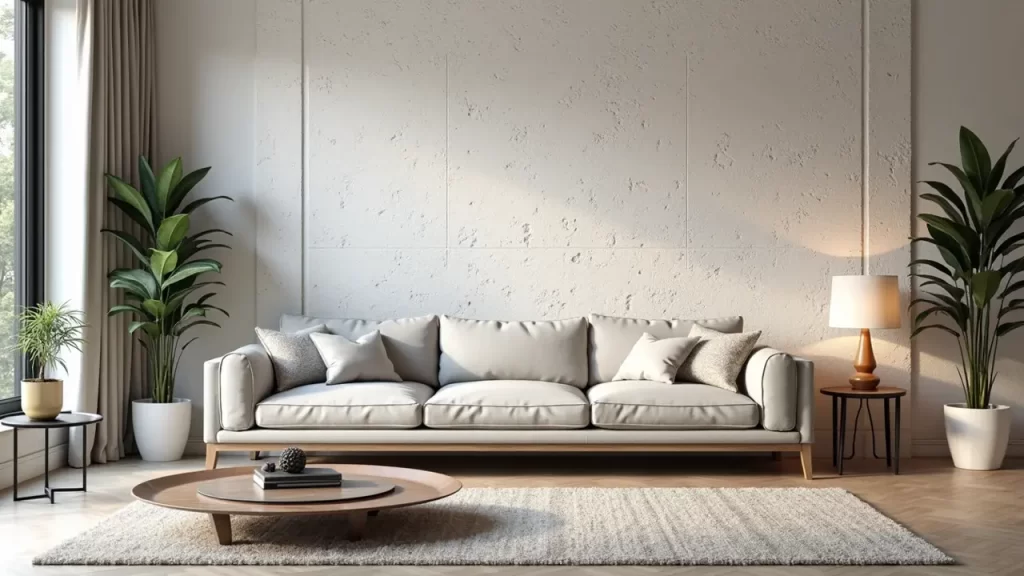
This style mixes lace and knockdown. It looks fancy but not too heavy. Here’s how you can add this texture. Spray plaster randomly, then flatten some areas while leaving lace-like sections raised. Best for feature walls in living rooms or entryways.
17. Metallic Finish Texture
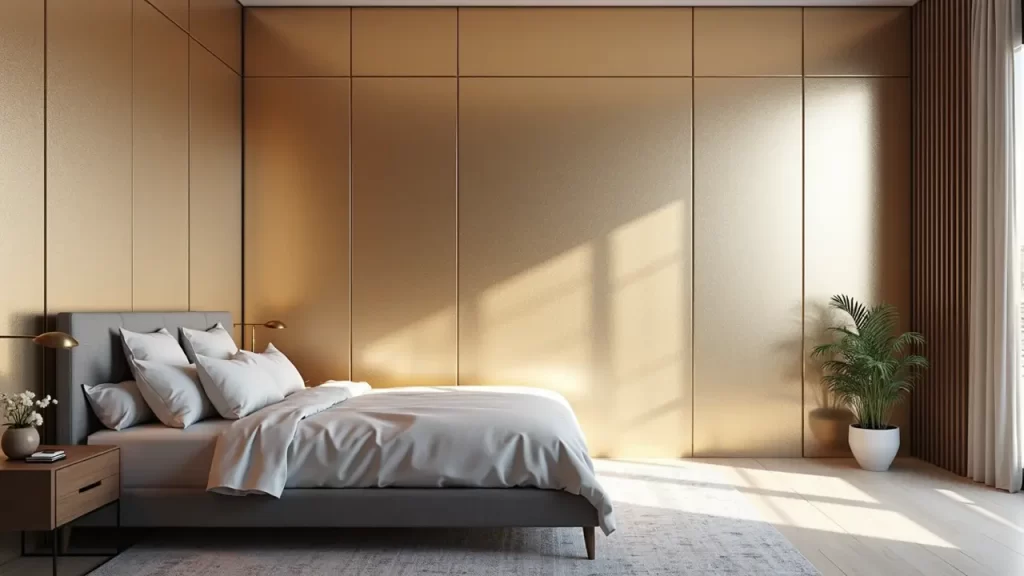
Metallic finishes shine under the light and create depth through reflection. They look glamorous and modern. Here’s how you can add this texture. Apply metallic paint over plaster or textured wallpaper. It glows beautifully in bedrooms, dining areas, or modern lounges.
18. Fabric Effect Texture
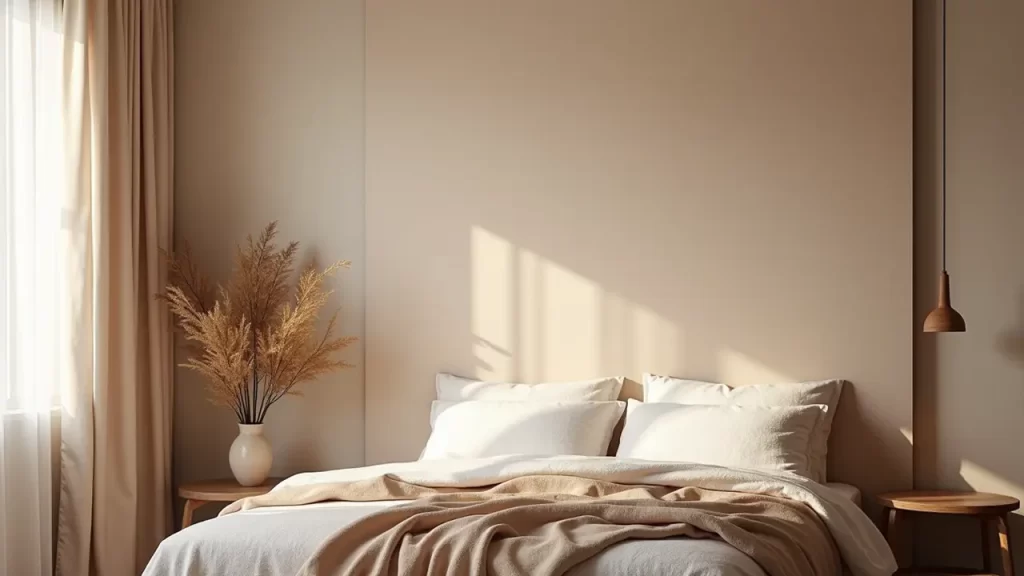
This pattern looks like linen, silk, or other fabrics stretched on the wall. It adds warmth and elegance. Here’s how you can add this texture. Use special fabric-effect rollers or textured wallpaper. It’s perfect for bedrooms, reading corners, or cozy living spaces.
19. Stone or Brick Texture

Stone and brick textures bring in an industrial or rustic vibe. They make walls look raw and bold. Here’s how you can add this texture. Use faux stone panels, brick veneer, or textured paint that mimics the look. Great for lofts, urban spaces, or accent walls in living rooms.
20. 3D Wall Panels
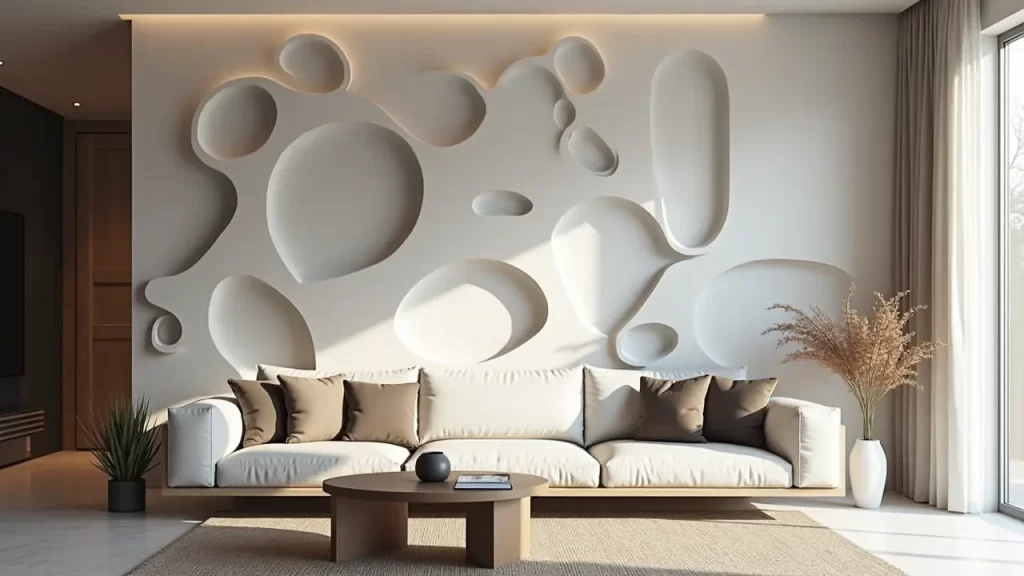
3D panels are the boldest choice. They give walls sculpted designs you can see and touch. Waves, cubes, or geometrics add instant drama. Here’s how you can add this texture. Buy ready-made 3D wall panels and install them directly. These are best for feature walls in modern homes, offices, or showrooms.
Welcome to BricksBeam!
Many people think walls only need a coat of paint, but that is not true. Wall texture patterns can quickly add depth and style without much effort.
Texture is not just about looks. It changes how light plays in a room and how cozy or bold a space feels.
Here at BricksBeam, I share wall design ideas that are simple, creative, and safe to try. With the right pattern, your walls can add instant depth and give your room a whole new vibe.
Besides, if you rent your place, you’ll love these accent wall design tips for rental apartments that work without damage.
Quick Comparison Table of Wall Texture Patterns
| Texture Pattern | Difficulty | Best Room Type | Look & Feel |
| Knockdown | Medium | Living Room, Hallway | Rustic, Warm |
| Orange Peel | Easy | Bedroom, Hallway | Clean, Subtle |
| Venetian Plaster | Hard | Living Room | Luxe, Shiny |
| Slap Brush | Medium | Feature Wall | Artistic, Bold |
| Fabric Effect | Easy | Bedroom | Soft, Elegant |
| 3D Panels | Medium | Accent Wall | Modern, Sculptural |
Wrapping Up
Wall texture patterns do more than decorate. They shape the mood of a room. Some are bold, like 3D panels, while others are soft, like orange peel or fabric finishes. The good thing is, you don’t need to redo the whole house to see a big change. Even one accent wall can feel fresh and exciting. That’s the power of wall texture patterns that add instant depth. Pick the one that matches your style and how much DIY you want to take on, and you’ll see your space come alive.
If you ever need help with wall texture patterns that can bring instant depth, just email me at calvina@bricksbeam.com — I’m happy to help!
FAQs
Q.1: Do textured walls make a room look smaller or bigger?
It depends on the pattern and colour. Light colours with soft textures like orange peel can make a room feel bigger. Heavy textures with dark shades can make it feel cozier and smaller.
Q.2: Can you paint over textured walls?
Yes, you can paint over them. Just use a roller with a thick nap so the paint reaches into all the grooves. Make sure the wall is clean and dry first for the best result.
Q.3: Are textured walls harder to clean?
Some are, especially deep textures like popcorn or 3D panels. Dust and dirt can sit in the grooves. A vacuum brush or soft cloth usually works well for cleaning.
Q.4: How long does it take to add a wall texture?
Simple textures like orange peel or knockdown can be done in a day. Fancy ones like Venetian plaster or 3D panels take longer. It also depends on the drying time between layers.
Q.5: Which wall texture is best for hiding cracks?
Stipple, knockdown, and orange peel are great for hiding small wall flaws. They cover dents and cracks much better than smooth paint. If cracks are deep, fix them first before adding texture.
Q.6: Can I remove a wall texture later?
Yes, but it can be messy. You’ll need to scrape or sand the wall smooth. Some textures, like wallpaper or panels, are easier to remove than plaster textures.
Q.7: Do wall textures work with every home style?
Almost every style can use textures. Rustic homes look great with skip trowel or tree bark, while modern homes shine with 3D panels or metallic finishes. It’s about matching the vibe.
Q.8: Are textured walls more expensive than flat walls?
Some are, but not all. Simple textures with drywall mud are cheap. High-end finishes like Venetian plaster or stone panels cost more because of the materials and time.
Q.9: Can I mix different wall textures in one house?
Yes, you can. Just don’t overdo it. Use one texture in main rooms like the living area, then softer ones in bedrooms, so the look feels balanced.
Q.10: Do textured walls help with soundproofing?
They help a little. Textures add surface depth, which absorbs some sound. For real soundproofing, you need panels or insulation, but texture does make a small difference.


