


You know, creating a calm and relaxing home starts with your wall colours. Using soft, soothing shades can completely change how a room feels. That’s why we’ve come up with some neutral wall colour ideas for calm home vibes. They make your space feel bigger, brighter, and peaceful without being overwhelming.
Imagine walking into a room that instantly makes you feel relaxed. These colours don’t just look good; they set a mood that stays with you all day. From soft whites to warm taupes, these tones are easy to match with furniture, décor, and even plants.
By picking the right neutral shades, you can turn any space into a cozy retreat that feels fresh and welcoming. In this guide, we will share 20 practical and beautiful ideas with tips on how to use them, so you can create that perfect calm vibe in your home.
Here are 20 Neutral Wall Colour Ideas For Calm Home Vibes
Neutral colours are timeless, versatile, and perfect for creating a soothing vibe. They work in any room, match most furniture, and make your space feel light, airy, or cozy, depending on your choice.
Here, we share 20 neutral wall colour ideas for calm home vibes.
1. Soft White

Soft white walls make your room feel clean, fresh, and open. You can pair them with natural wood furniture or soft pastel accessories to keep the look gentle. This colour works well in living rooms, bedrooms, and kitchens. Warm white is perfect for cozy rooms, while cool white gives a modern feel. Adding soft lighting and simple décor will make the space look inviting and calm.
2. Ivory Cream

Ivory cream brings warmth to a room without feeling strong or heavy. You can use it on all walls or just behind a bed or sofa as an accent. It is great for bedrooms and dining rooms. Match it with beige or light brown furniture to create a soft, soothing look. A few green plants or natural textures can make the room feel even calmer.
3. Light Beige
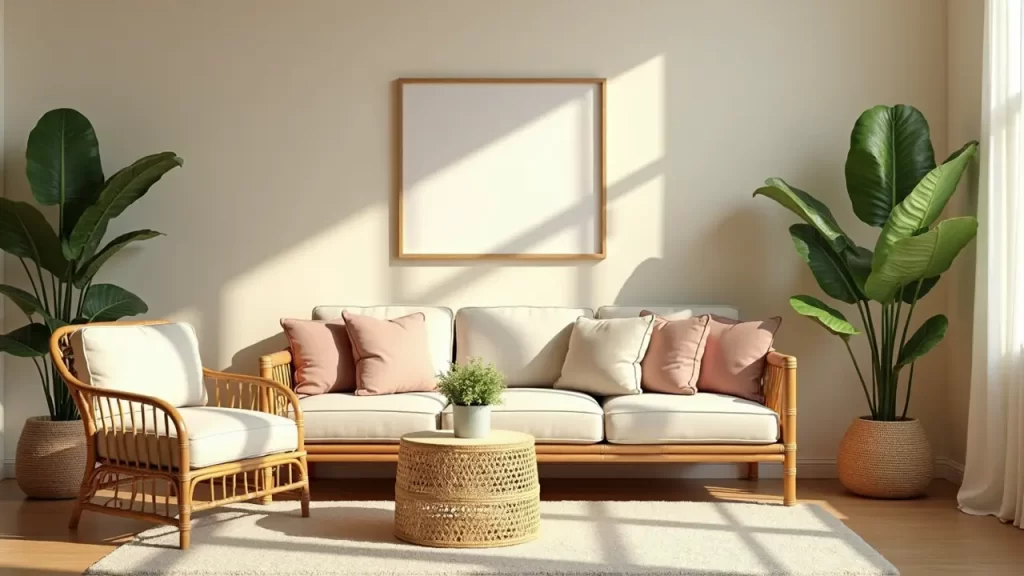
Light beige makes a space feel natural and grounded. It pairs beautifully with wooden floors or rattan furniture. This colour works well in living rooms and hallways. Adding green plants, soft rugs, or linen curtains enhances a peaceful, relaxed vibe. Light beige is easy to mix with other neutrals or soft pastels for balance.
4. Warm Taupe

Warm taupe is a mix of brown and grey, giving a modern yet cozy feel. It looks great as a feature wall behind sofas or beds. Use it in bedrooms or study rooms to create a calm, inviting space. Adding metallic or gold accessories can make the colour pop without feeling harsh. Pair it with soft textures and light furniture for a balanced look.
5. Pale Grey
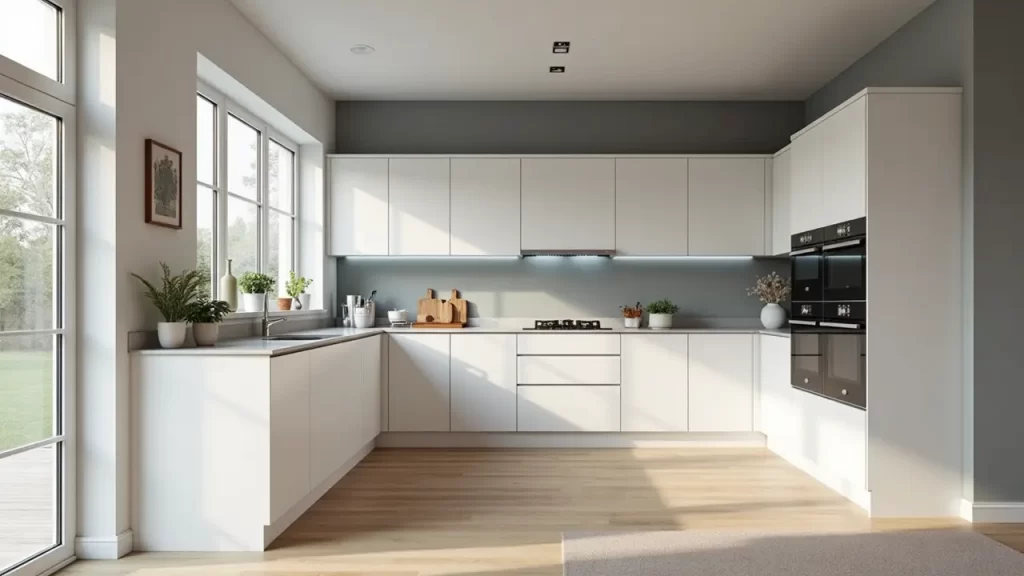
Pale grey feels calm, neutral, and modern. It works well with colourful furniture or crisp white trims. This colour suits offices, kitchens, and living rooms. To keep it from feeling cold, add textured décor like rugs, cushions, or throws. Soft lighting can also make pale grey feel warm and welcoming.
6. Greige

Greige, a mix of grey and beige, balances warmth and coolness perfectly. It is ideal for open-plan spaces like living rooms and hallways. Soft fabrics, rugs, and cushions add comfort to greige walls. Pairing with light or dark furniture keeps the room interesting without losing calm vibes. This colour is very versatile and timeless.
7. Mushroom
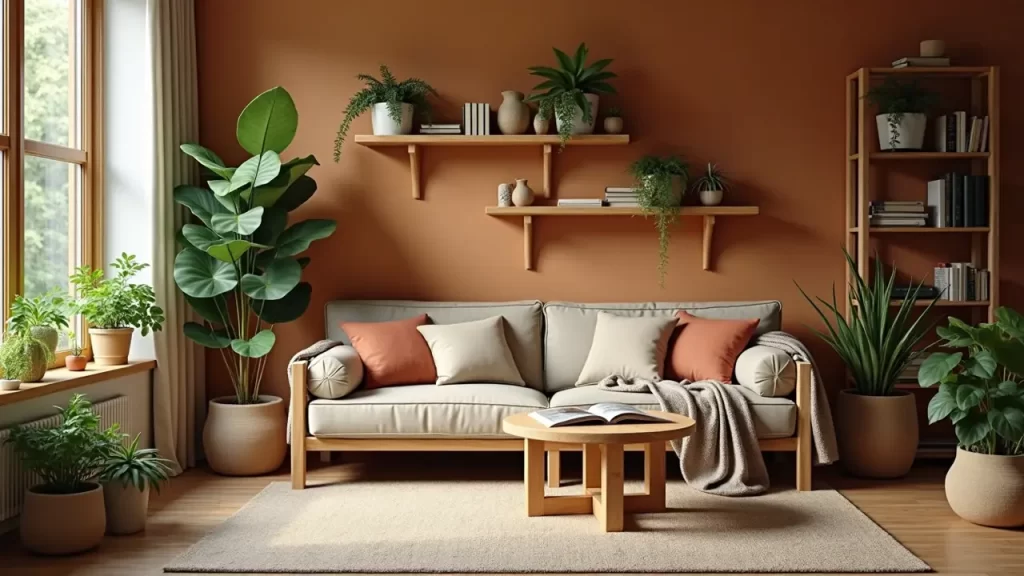
Mushroom is a soft, earthy colour, similar to light clay. It works beautifully with dark wooden furniture and indoor plants. Ideal for bedrooms or reading corners, it makes spaces feel grounded and peaceful. Warm lighting adds a cozy glow. Mushroom creates a natural, relaxed look without overpowering the room.
8. Soft Sand

Soft sand feels gentle and airy, like a calm beach tone. Pair it with natural textures like jute rugs or linen curtains to keep the room light and soft. This colour is perfect for living rooms and bedrooms. Minimalist spaces especially benefit, as soft sand makes them feel open and relaxed. Light furniture and soft décor complete the look.
9. Light Mocha

Light mocha adds depth without making a room dark. It is perfect for accent walls or feature areas in living rooms and libraries. Combine it with cream or soft white for a balanced feel. The colour creates warmth and sophistication, and adding soft lighting or cushions enhances a cozy vibe.
10. Pale Peach

Pale peach adds gentle warmth and calm to a room. It works nicely on bedroom walls or as a soft living room accent. Pair with white or cream furniture to keep the space light and airy. This colour makes rooms feel inviting without being overwhelming, and a few plants or wooden accents complete the calm atmosphere.
11. Soft Blush
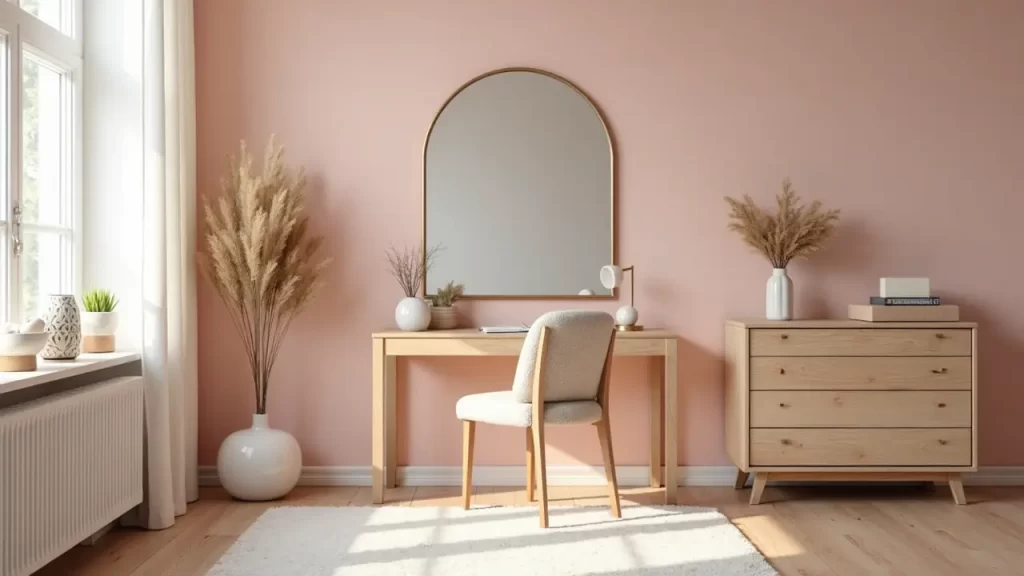
Soft blush is a gentle pink-beige that feels romantic and soft. Use it in bedrooms or dressing rooms for a calm, feminine touch. Pair it with light wood or gold accents for a chic and cozy look. Soft blush adds warmth to the space while keeping it peaceful and inviting.
12. Misty Blue Grey

Misty blue grey is slightly cool but very calming. It works well in bedrooms or bathrooms to create a serene environment. Pair it with white furniture or light décor to brighten the space. The colour feels soft and relaxing, perfect for areas where you want to unwind.
13. Light Olive
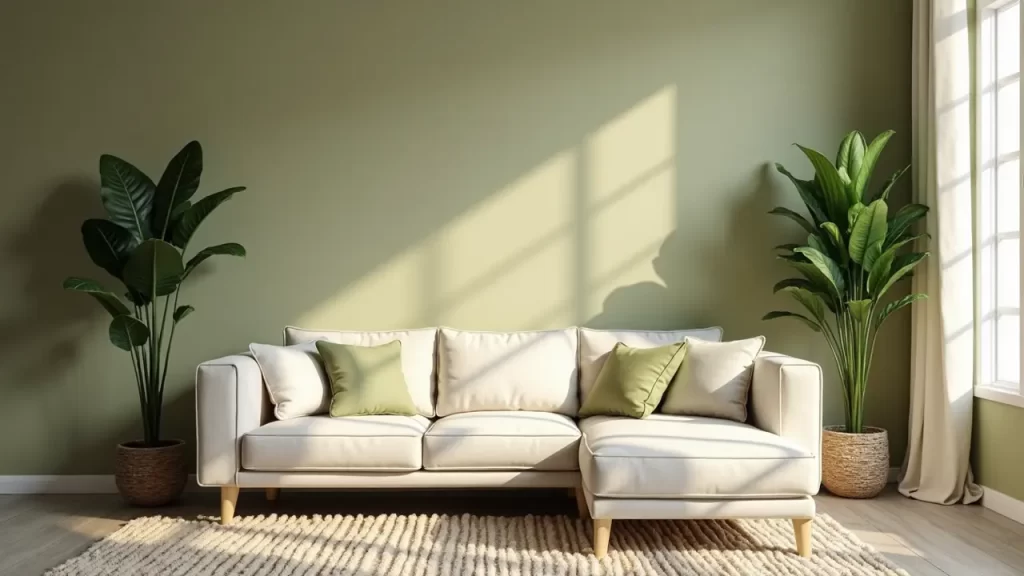
Light olive is muted, soft, and natural. It fits perfectly in living rooms with indoor plants or earthy décor. Pair it with beige or cream furniture to keep the vibe calm and grounded. Light olive makes a room feel fresh, natural, and cozy without being too strong.
14. Pale Lavender Grey

Pale lavender grey is subtle and soothing. It works well in bedrooms or calm workspaces. Adding soft textiles like throws and cushions increases comfort and warmth. This colour has a gentle hint of colour that feels relaxing without being overpowering.
15. Soft Mushroom Grey

Soft mushroom grey brings warmth while keeping a modern edge. It works on all walls or as an accent behind furniture. Combine with cream or taupe furniture to balance the look. This colour is versatile, creating calm and cozy vibes in living rooms and bedrooms alike.
16. Light Almond

Light almond is warm, soft, and neutral. It’s ideal for cozy living rooms or bedrooms. Pair with dark wood furniture for contrast or add soft fabrics for comfort. This colour makes a room feel inviting and gentle, perfect for relaxing spaces.
17. Oyster White

Oyster white has soft grey-beige undertones. It works well with minimal décor and modern interiors. Ideal for kitchens, hallways, and living rooms. Soft lighting highlights the warmth of oyster white, making the space feel open, calm, and welcoming.
18. Soft Greige Blue

Soft greige blue is calming and slightly cool. It’s perfect for bedrooms or study walls. Pair with light wood and white furniture for balance. This colour feels fresh and serene, creating a peaceful environment for work or rest.
19. Light Caramel

Light caramel is warm and has soft golden undertones. It works well on feature walls or all-around walls in living and dining rooms. Combine with cream sofas and wooden floors for a cozy look. This colour makes spaces feel warm, inviting, and calm.
20. Warm Pebble Grey

Warm pebble grey is soft, modern, and peaceful. It’s perfect for living rooms, bedrooms, and hallways. Add textured cushions, rugs, or throws to make the room feel cozy. This colour creates calm vibes while keeping a modern and stylish look.
Besides, if interested, you can also explore the best wall colour combos for narrow living rooms to see which combinations make your living space look bigger and more inviting.
Welcome to BricksBeam!
If you want your home to feel calm and relaxing, the right wall colours can make a big difference. The right neutral shades make any room feel brighter, softer, and more peaceful.
At BricksBeam, I share simple wall design ideas for calm home vibes that anyone can try. These tips are easy, practical, and budget-friendly, so you can give your space a fresh, relaxing look without any stress.
How to Add Neutral Colours to Your Home
Adding neutral colours to your home is easier than you think. With a few simple steps, you can make any room feel calm, cozy, and stylish.
- Choose a Base Colour:Pick one main neutral for all walls. This will set the tone for the whole room.
- Mix Accents: Use soft fabrics, cushions, curtains, or furniture in other neutral tones. Small touches make a big difference.
- Add Texture: Rugs, throws, and wooden furniture make neutral colours feel warm and cozy. Texture keeps the room from feeling flat.
- Lighting Matters: Warm lighting enhances warmth, while cool lighting gives a modern vibe. The right light changes the whole mood of the space.
If you want to make a small room feel cozy, you can try two-tone wall painting.
Wrapping Up
If you want a home that feels peaceful and cozy, the above-mentioned neutral wall colour ideas for calm home vibes are the way to go. These colours are timeless, soft, and easy to work with. Using textures, soft lighting, and natural accents can make any neutral tone feel warm and inviting. You can try one colour or mix a few, and your room will instantly feel calm, fresh, and comfortable.
If you ever need help with the ideas of neutral wall colour, just email me at calvina@bricksbeam.com — I’m happy to help!
FAQs
Q.1: Can neutral colours make a small room look bigger?
Yes, neutral colours can make a small room feel larger and more open. Light shades like soft white, ivory, or pale grey reflect more light and create a sense of space. Pairing them with minimal furniture and good lighting will make the room feel airy and calm.
Q.2: How do I choose the right neutral colour for my room?
Start by looking at the natural light in your room and the furniture you already have. Warm neutrals like beige and taupe feel cozy, while cool neutrals like pale grey or greige feel modern. Test small patches on the wall before committing, so you see how the colour works in different lights.
Q.3: Can neutral colours work with bright furniture or décor?
Absolutely. Neutral walls create a soft background that allows bright colours to pop without clashing. You can add cushions, rugs, or artwork in vibrant colours, and the neutral walls will balance the look. This makes the room feel lively but still calm.
Q.4: Are neutral colours suitable for all rooms?
Yes, neutral colours are very versatile. You can use them in bedrooms, living rooms, kitchens, hallways, and even bathrooms. They create calm vibes everywhere and can easily match different furniture styles and decorations.
Q.5: How do I prevent neutral walls from looking boring?
Add layers, textures, and accessories to keep the room interesting. Rugs, cushions, curtains, and wooden furniture bring warmth and depth. You can also use an accent wall or mix different neutral shades to create a dynamic yet calm look.
Q.6: Can I mix different neutral colours in one room?
Yes, mixing neutrals can look very stylish if done right. Use one colour for the walls and another for furniture, trims, or accents. Stick to a similar tone or undertone to keep everything cohesive and peaceful.
Q.7: How do lighting choices affect neutral walls?
Lighting changes how a neutral colour looks completely. Warm lighting makes neutrals feel cozy and inviting, while cool lighting makes them feel crisp and modern. Always test your lighting with the wall colour before finalizing it.
Q.8: Do neutral colours show dirt easily?
Some light neutrals, like soft white or pale grey, can show marks more than darker tones. Using washable paint or adding furniture and rugs in high-traffic areas helps keep the walls looking fresh. A few soft patterns or textures also hide small marks naturally.


