

You know how floating shelves look so clean and modern, but the worry always comes with the question, “Can they really hold heavy things without falling?” Many people search for floating wall shelves that hold heavy weights safely because they want both style and strength.
The good news is, yes, with the right brackets, solid material, and proper installation, these shelves can carry from 20 lbs all the way up to over 300 lbs. Floating wall shelves that hold heavy weight can support around 45–50 pounds per wall stud, and with industrial-grade brackets, they can go beyond 300 pounds.
That’s why the way you mount and what you use matter more than the shelf itself. Now let’s break it down step by step so you can pick shelves that not only look good but also hold up anything you want to place on them.
How Much Weight Can a Floating Shelf Hold?
A floating shelf can hold about 45–50 pounds per wall studif installed correctly. That means a 3-foot shelf attached to two studs can carry around 100 pounds.
But the exact number depends on the bracket, the shelf material, and how well it’s installed.
Shelf Load Capacity Table
| Factor | Typical Weight Capacity | Notes |
| Mounted to wall studs | 45–50 lbs per stud | Strongest option |
| Drywall anchors only | 15–25 lbs | Not for heavy items |
| Industrial-grade brackets | 100–300 lbs | With solid install |
| Shelf depth 8–10 inches | 40–80 lbs | Safer than deeper shelves |
So, always think about studs first. Drywall alone can’t handle big loads.
Floating Wall Shelves That Hold Heavy Weight Safely: Key Factors
The strength of a floating shelf doesn’t depend on just one thing. It’s a mix of what the shelf is made of, how it’s mounted, the type of bracket you use, and how well it’s installed. If even one of these goes wrong, the shelf may sag or fail.
Let’s go through each factor step by step.
Material
The material of the shelf is the base of everything. Strong materials like solid wood or metal can carry heavy loads without bending. They hold their shape even when you stack books, dishes, or tools on top.
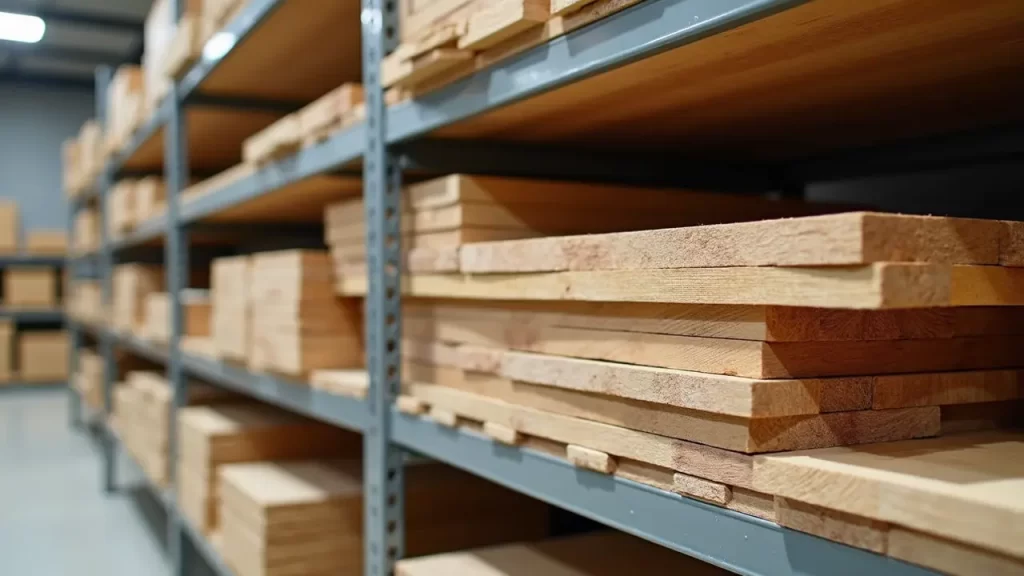
On the other hand, materials like MDF or particleboard may look nice, but they are weak inside. Over time, they start sagging in the middle if the weight is too much.
So if you plan to store heavy items, go for solid oak, pine, or even steel shelves.
Mounting System
The way the shelf attaches to the wall is just as important as the shelf itself. The safest option is to use hidden steel brackets or flat plate brackets that screw directly into wall studs.
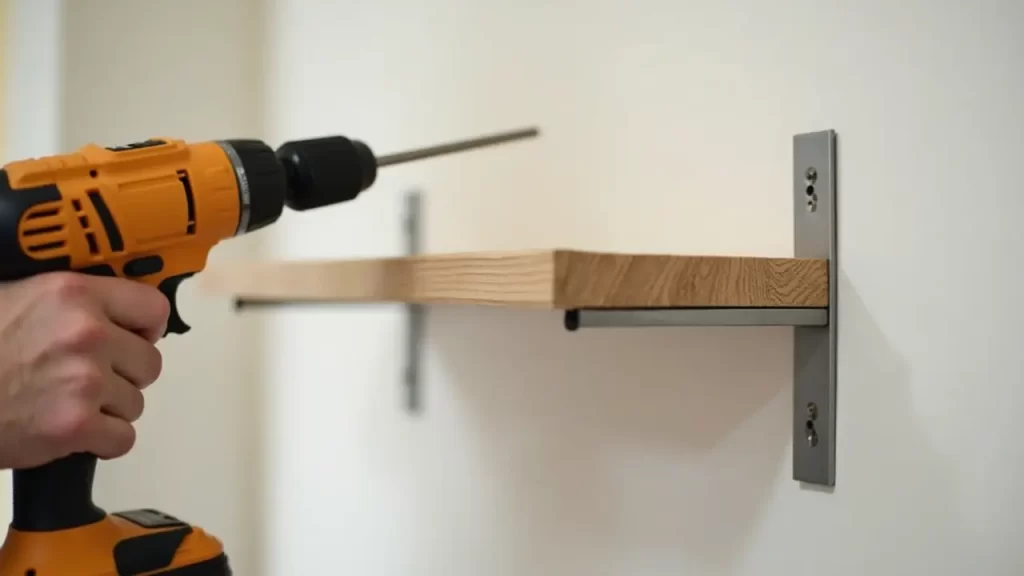
These brackets spread the weight evenly and keep the shelf from tilting. The more rods or anchor points the bracket has, the stronger it will be. Think of it like this: one nail can hold something small, but three nails in a row can hold a lot more. The same rule applies here.
Shelf Depth
Shelf depth is how far the shelf sticks out from the wall. Many people think deeper shelves are better, but that’s not always true. The deeper the shelf, the more leverage it creates, and that makes it easier to sag or pull away from the wall.
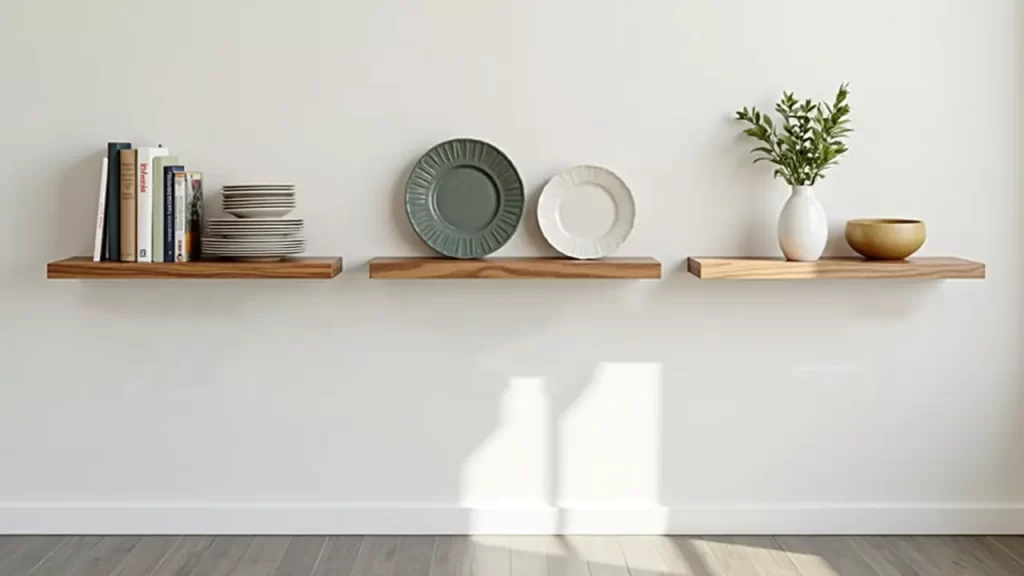
For most homes, 8 to 10 inches is perfect for books or small décor. If you’re planning to use them in the kitchen, 12 inches is usually enough for plates and bowls.
Going deeper than that means you’ll need extra-strong brackets and studs.
For kitchen areas, floating shelves can be very useful, and you can also find wall-mounted storage ideas for tiny kitchen walls.
Weight Capacity
Every shelf has a limit, and you should always check it before buying. A safe rule is that a properly installed shelf can hold 45 to 50 pounds per stud. That means if your bracket attaches to two studs, you can expect around 90 to 100 pounds of safe weight.
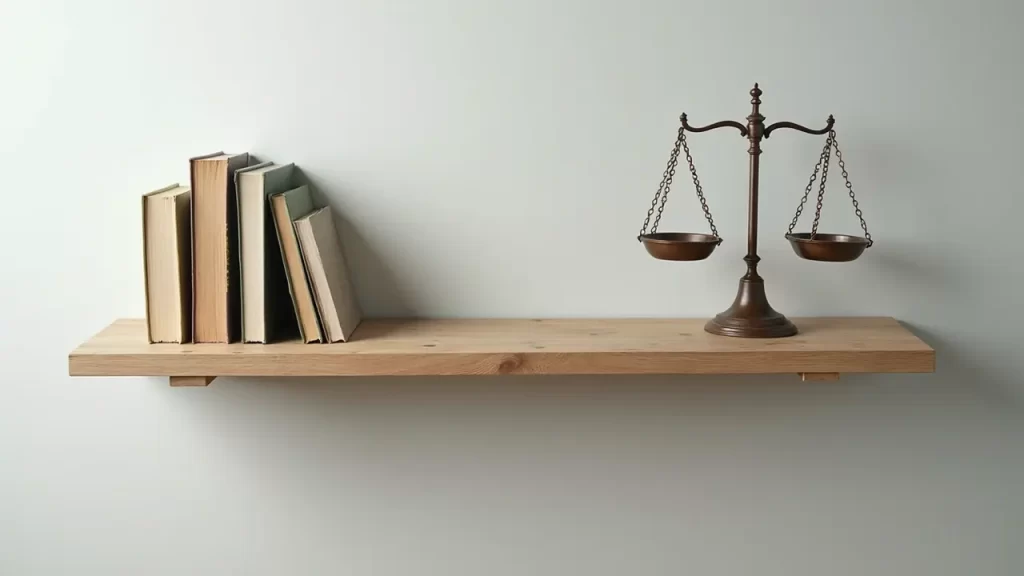
But remember, longer shelves need more brackets and more studs. If you try to stretch a 6-foot shelf across only two studs, it will sag in the middle, no matter how strong the material is.
Not everyone has power tools at home, so you might want to explore wall storage solutions that don’t need power tools.
Best Bracket Systems for Heavy Floating Shelves
The bracket is the backbone of your shelf. Choose industrial-grade brackets made of steel or aluminum for real strength.
- Hovr Bracket System– Supports up to 300 lbs with a clean, hidden design.
- Right On Bracket– Strong stud-mounted steel brackets, even for breakfast bars.
- Federal Brace – Multiple steel bracket lines for shelves and counters.
- VEVOR Heavy Duty Brackets – Hold 160 lbs per pair, great for granite or wood.
- SVOPES Support Brackets– Range from 150–230 lbs, depending on size.
If you want a shelf that lasts, don’t skimp on the bracket.
Heavy-Duty Shelf Examples
Some shelves are sold as complete kits with solid wood and matching brackets.
- NookWoodworking Oak Shelves – Custom, thick oak shelves for long-lasting use.
- Urbandi Pine Floating Shelves – Handcrafted pine, 1.75 inches thick, with brackets.
- Millwood Pines Pippi Shelves – 3-inch thick pine shelves, up to 75 lbs per stud.
Buying a full kit makes it easier since the shelf and bracket are designed to work together.
What If You Can’t Find Wall Studs?
If you can’t mount into studs, you’ll need special heavy-duty drywall anchors. But remember, these still carry less weight.
- E-Z Ancor Toggle Anchors – Up to 160 lbs in drywall.
- Bullfix Heavy Duty Anchors– Rated up to 293 lbs for hollow walls.
- WingIts Anchors – Strong anchors for hollow walls, often used in bathrooms.
These are good backups, but whenever possible, use studs for safety.
Tips for Safe Floating Wall Shelves Installation
Putting up floating shelves safely is not just about grabbing a drill and making holes. The way you install them decides how strong and reliable they will be.
Here are some simple but very important tips.
Find Studs
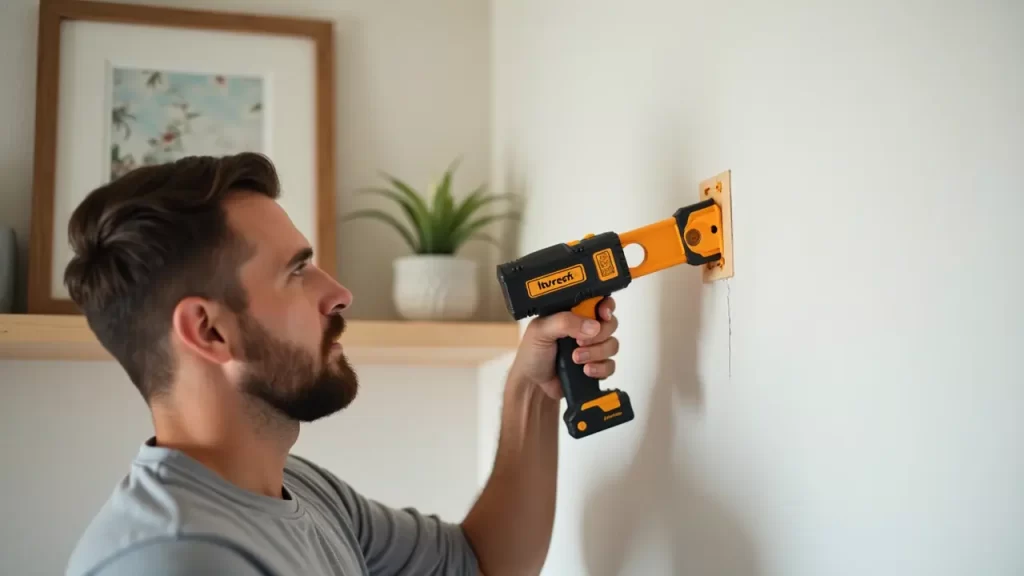
The very first step is to make sure your brackets go into wall studs, not just drywall. Drywall on its own is too weak and will crumble if you put a heavy weight on it.
You can use a stud finder (a small tool that detects studs behind the wall), or you can try the old-school knock test. When you tap the wall, a hollow sound means no stud, and a solid sound means you’ve found one.
Attaching brackets directly to studs gives your shelf real strength.
Use Strong Brackets
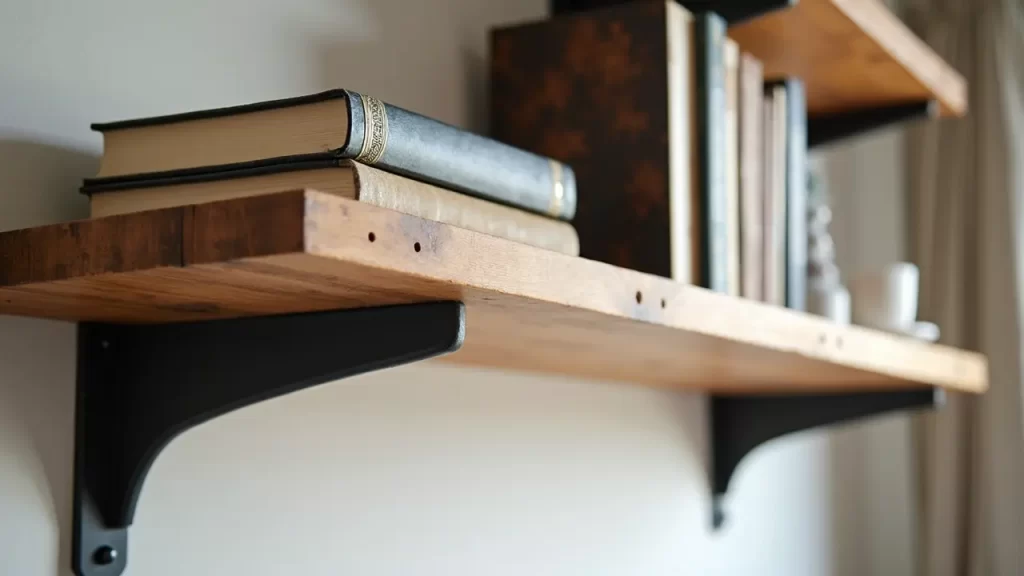
Not all brackets are equal. If you are planning to hold heavy items, choose steel brackets designed for heavy loads. Avoid cheap or thin brackets because they bend over time.
Look for ones that are specifically rated for 100 lbs or more. Remember, the bracket is the backbone of the shelf. If it’s weak, the whole setup is weak.
Distribute Weight
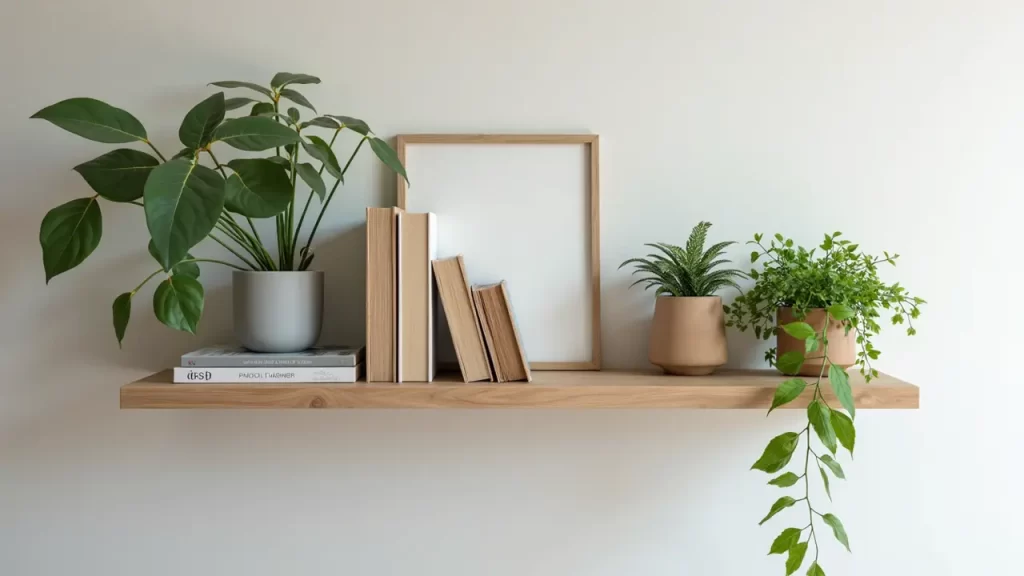
Even the strongest shelf can fail if everything is placed on one side. Always spread the weight evenly across the shelf. For example, don’t put all the heavy books on the left side and leave the right side empty. Instead, mix heavy and light items so the pressure is balanced. This reduces stress on one point and keeps the shelf steady.
Don’t Overload
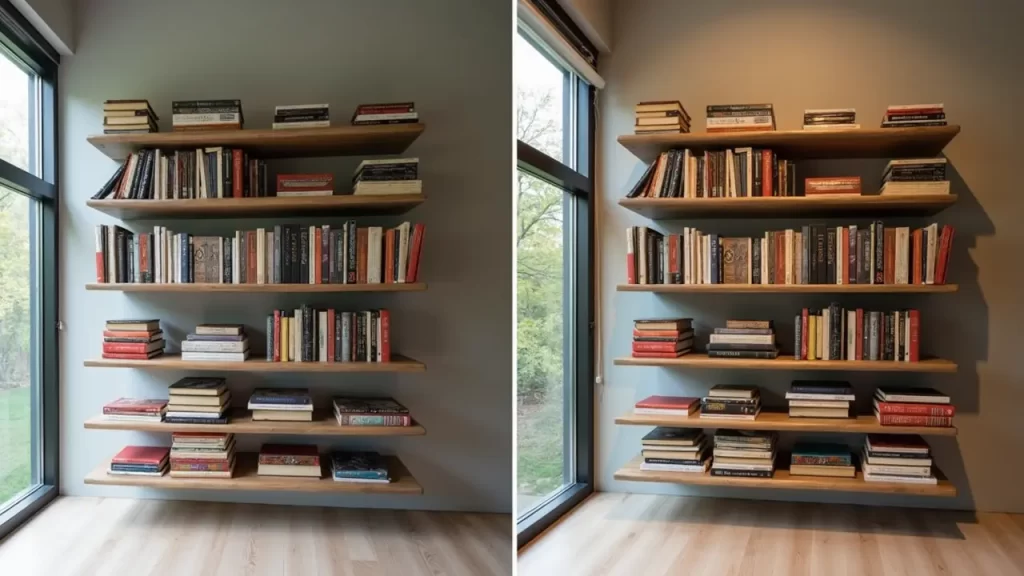
Every shelf and bracket comes with a weight limit. If the rating says 100 lbs, stay under it. Going beyond the limit may hold for a few days, but over time, it causes sagging or even breaks the bracket. Treat the weight rating like a safety rule, not a suggestion.
For Very Heavy Loads
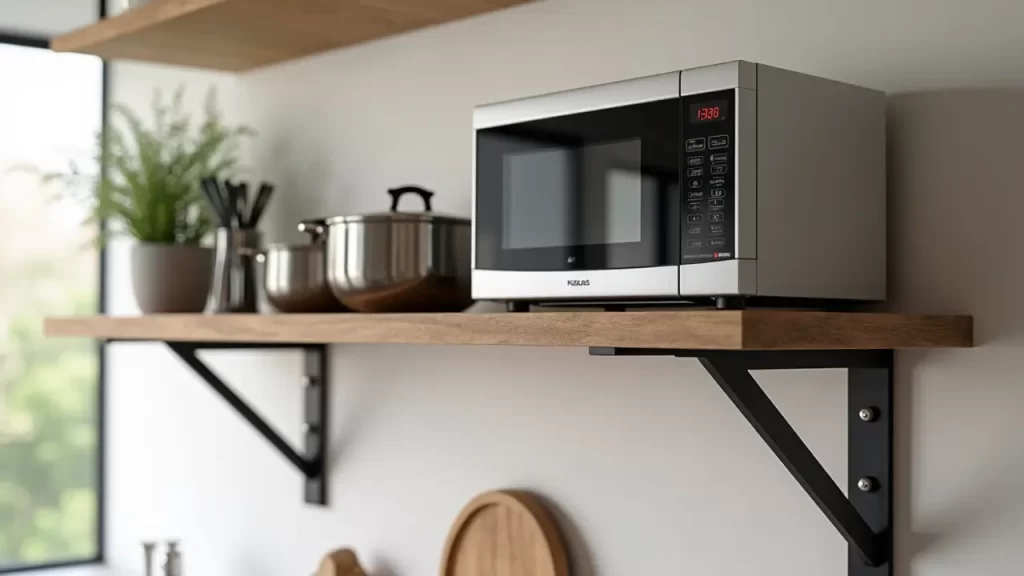
If you want to put something really heavy on your floating shelf, like a microwave, big TV, or granite slab, it’s better to get professional help. Installers know the right tools, the right screws, and the safest way to mount into studs or concrete. Spending a little extra now saves you from accidents later.
Besides, if you live in a rented place and cannot drill into walls, you can see the best wall shelves for renters without drilling.
Quick Comparison: Studs vs Drywall Anchors
| Mounting Type | Max Safe Weight | Best For |
| Wall studs | 100–300 lbs+ | Books, appliances, heavy décor |
| Drywall anchors | 15–50 lbs | Light décor, small plants |
| Concrete or brick | 200–400 lbs with anchors | Garage, kitchen, industrial shelves |
Always choose the mounting method based on what you plan to put on the shelf.
Welcome to BricksBeam!
If you want shelves that not only look good but also hold heavy weights safely, you are in the right place.
I am Calvina Rozario, and I will guide you through simple and safe wall storage solutions to use floating wall shelves in your home.
No tricky tools, no confusing steps. Just clear tips to install strong shelves, organize your space, and keep everything safe and steady.
Wrapping Up
Floating wall shelves that hold heavy weights safely depend on the right setup. A solid wood shelf, a strong steel bracket, and installation into studs can give you a shelf that holds 100 lbs or more with ease. If you rely on drywall alone, your limit is much lower.
So before you buy, think about where you’ll mount it, how much weight you need, and what bracket system works best. Do it right, and your shelves won’t just look good; they’ll be rock solid.
If you ever need any more help with floating wall shelves ideas that hold heavy weights safely, just email me atcalvina@bricksbeam.com — I’m happy to help!
FAQs
Q.1: Can floating shelves damage walls?
Yes, floating shelves can damage walls if installed incorrectly. If you fix them without finding studs, the screws may pull out. Always use strong brackets and install carefully.
Q.2: Do floating shelves need maintenance?
Yes, floating shelves need maintenance. Sometimes brackets get loose with time. Just check the screws every few months and tighten them if needed.
Q.3: How do I know the right shelf size for my wall?
Measure your wall before buying. Make sure the shelf fits the space and does not block switches or doors. Pick a size that balances well.
Q.4: Can floating shelves go in bathrooms or kitchens?
Yes, but moisture can be an issue. Use shelves made of treated wood or metal. Also, make sure the brackets are rust-resistant.
Q.5: What items should I avoid placing on floating shelves?
Avoid placing heavy water tanks, fish aquariums, or items heavier than the shelf rating. Stick to books, decor, and safe household items.